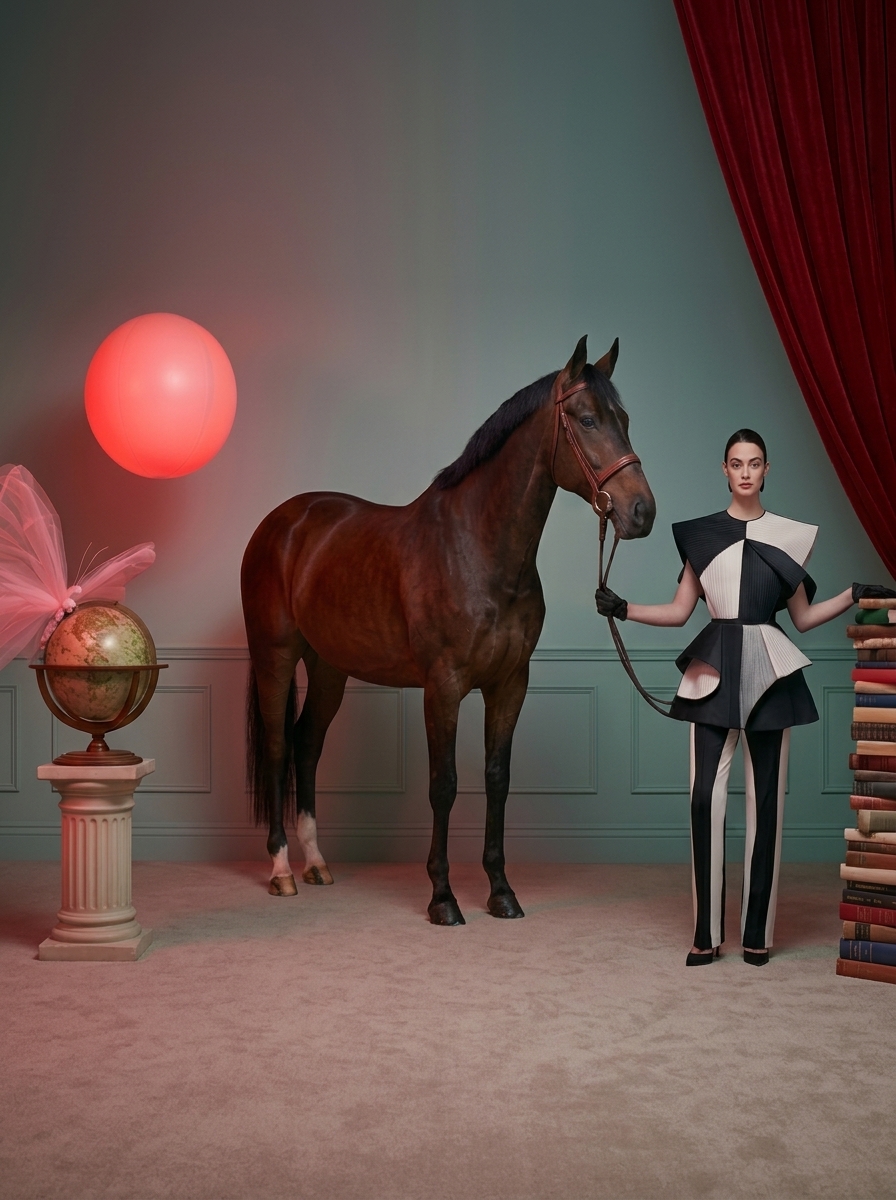
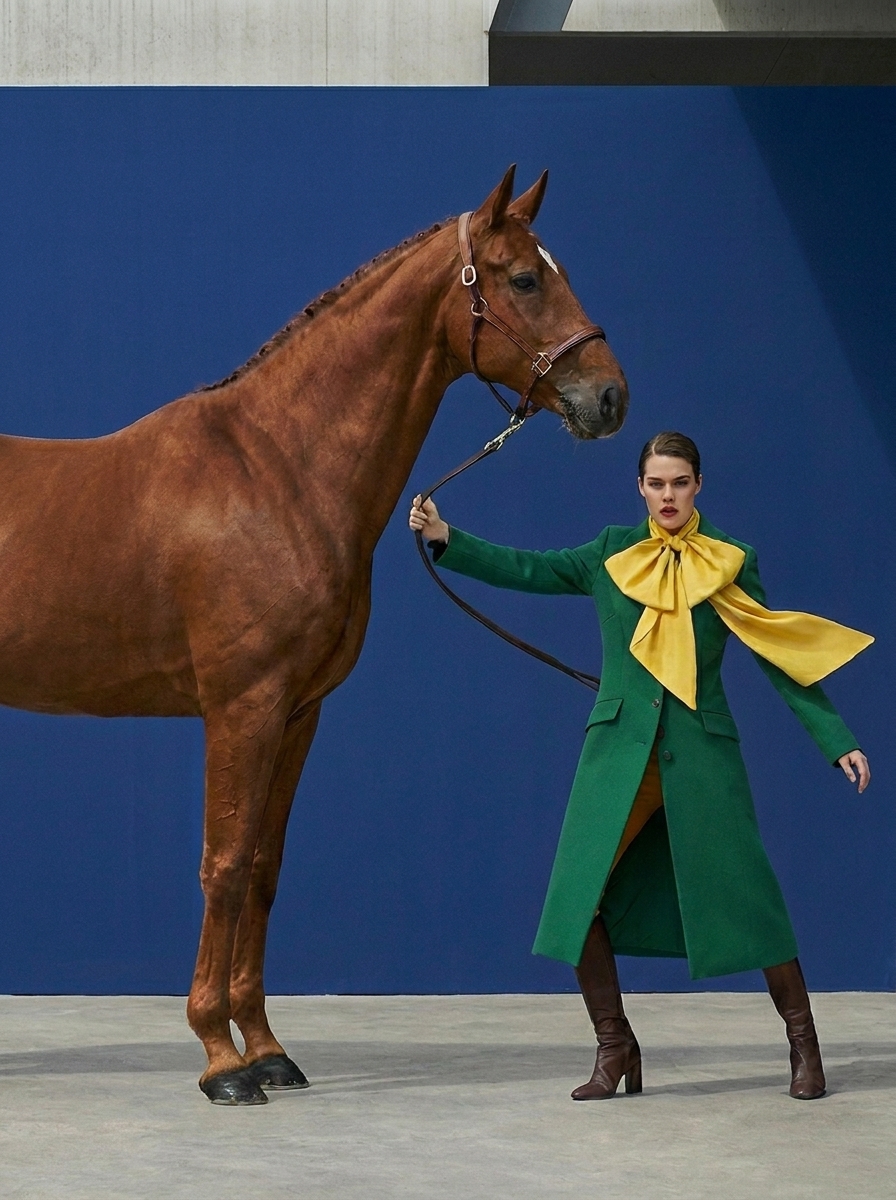
At the Olympic Games, equestrian is one of the very few sports contested without separating men and women.
Dressage, showjumping, eventing — male and female riders compete under the same rules, riding for the same podium. That fact alone is worth telling again and again.
Not because she's lighter, but because she understands more
Some like to explain it away with "women weigh less," but anyone who has truly ridden knows it goes far beyond that. The horse is an exquisitely sensitive animal; it reads the smallest tension and ease in your body. More than brute force, it responds to patience, perception, empathy — and these are exactly what women so often bring to the saddle. You never master a horse by domination; you do it by conversation.
A history that isn't short
The story of women and horses is far older than the arena. From the days when a horse meant a way out into freedom, to the women who carved their names into the sport's history, they have proven by results that in this discipline, gender is no ceiling. Today, in riding schools, in stables, in the ring, women are long since the norm — you are not an intruder; you belong here.
Holding steady a five-hundred-kilo animal takes not flamboyant muscle, but a quiet, inward certainty.
Quiet strength is strength too
This strength doesn't shout, yet it is reliable enough. It lives in your persistence walking alone to the yard at dawn, in the stubbornness of falling and getting back on, again and again.
If you are a woman learning to ride, remember this: you never just also ride. You ride in your own way, your own language, your own light. This arena had a place for you all along.